
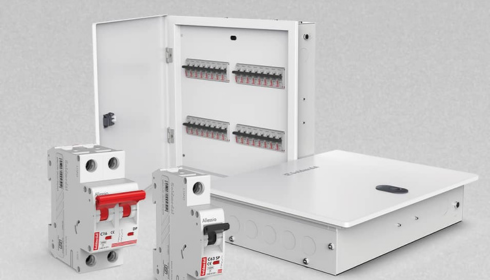
Modern buildings rely on structured electrical systems to deliver power safely and efficiently. Two essential components in these systems are the MCCB (Moulded Case Circuit Breaker) and the DB box (Distribution Board box). Although they serve different functions, both are vital for protecting electrical circuits and maintaining reliable power distribution across residential, commercial, and industrial spaces.
Understanding how these components work helps property owners, engineers, and installers make informed decisions about electrical safety.
What Is an MCCB?
An MCCB is a protective device designed to interrupt electrical flow when abnormal conditions such as overloads or short circuits occur. It is built to handle higher current levels than standard miniature circuit breakers, making it suitable for installations where power demand is significant or variable.
One of the defining features of an MCCB is its adjustable trip mechanism. This allows protection settings to be matched to the specific requirements of the electrical load. As a result, MCCBs offer precise control and dependable fault protection, especially in commercial buildings and industrial facilities.
Manufacturers like Legrand design MCCBs with strong insulation, durable housings, and consistent tripping performance, ensuring long-term reliability and compliance with recognised electrical standards.
Understanding the Function of a DB Box
A DB box is the central point where electrical power is distributed to multiple circuits within a building. It houses protective devices such as MCBs, RCCBs, and in many cases, MCCBs. The DB box ensures that each circuit is independently protected and can be safely isolated when required.
Beyond protection, a DB box improves organisation within the electrical system. Clearly arranged circuits and proper labelling reduce the risk of wiring errors and simplify maintenance work. Modern DB boxes are typically made from insulated materials that enhance safety and reduce exposure to live components.
Legrand DB boxes are designed to balance safety, accessibility, and neat installation, supporting both present needs and future expansion.
How MCCBs and DB Boxes Work Together
In a typical electrical setup, the MCCB acts as the primary protective barrier for the incoming power supply. Once electricity passes through the MCCB, it is distributed via the DB box to individual circuits throughout the building.
This layered protection approach ensures that major faults are stopped at the source, while smaller circuit-level issues are isolated without affecting the entire system. Such coordination is especially important in workplaces, apartment complexes, and facilities where downtime can have serious consequences.
Using compatible, high-quality components from established brands like Legrand helps ensure smooth integration and consistent performance.
Choosing the Right Electrical Components
Selecting the correct MCCB and DB box involves assessing load capacity, environmental conditions, and regulatory requirements. Factors such as current rating, breaking capacity, enclosure design, and ease of installation should all be considered.
Legrand offers a wide range of MCCBs and DB boxes engineered to support safe power distribution across various applications. Their focus on quality and system compatibility makes them a trusted choice for electrical professionals.
Conclusion
Both the MCCB and the DB box play crucial roles in creating safe and efficient electrical systems. While the MCCB provides strong protection against serious faults, the DB box ensures organised and controlled power distribution. Together, they form a dependable foundation for modern electrical infrastructure.