
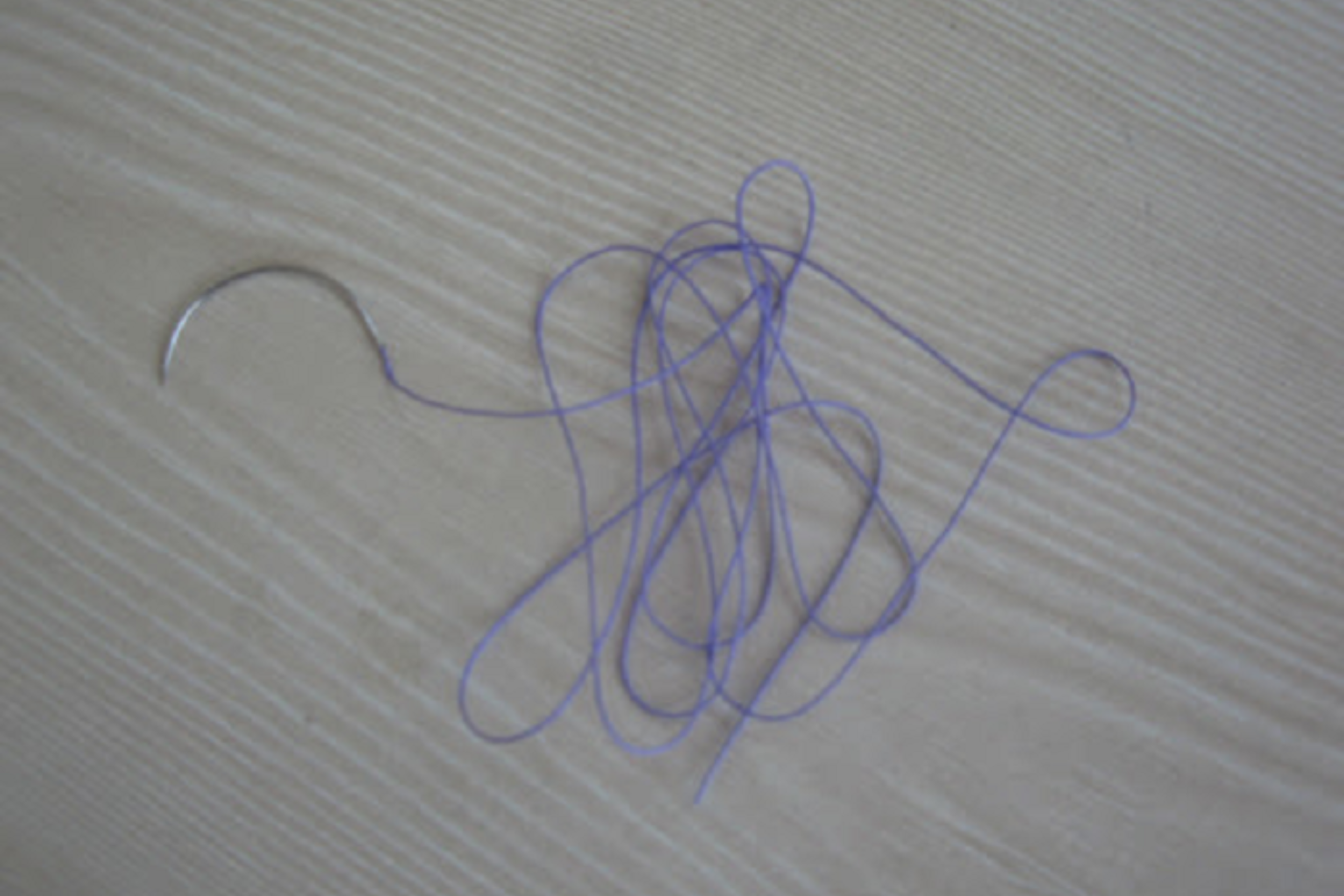
Where Healing Truly Begins
Most people think surgery ends when the last internal step is completed — when the problem is fixed, the organ repaired, the fracture stabilized. But surgeons often see it differently. For them, one of the most important moments happens at the very end, when it’s time to close the wound.
Because that’s where healing truly begins.
The way a surgical incision is closed doesn’t just seal the skin. It determines how tissues recover, how strong the repair remains over time, and even how noticeable the final scar will be months later.
It’s a step that may seem simple from the outside, yet it involves careful decisions, experience, and a deep understanding of how the human body heals.
Why Not All Sutures Are the Same
One of the first things people are surprised to learn is that there isn’t just one type of surgical thread. In fact, there are dozens — each designed for different tissues, healing timelines, and surgical needs.
Take vicryl sutures, for example.
These are absorbable sutures made from synthetic material that gradually dissolve within the body over time. Surgeons often choose them for internal tissue repairs where removing stitches later would be difficult or impossible.
What makes vicryl particularly useful is its balance between strength and flexibility. It holds tissues together securely during the critical early healing phase and then slowly breaks down as the body regains stability.
For patients, this means one less step in recovery — no need for removal and less disruption to the healing process.
It’s a quiet but thoughtful design that reflects how far surgical technology has come.
Strength That Stays Until Removal
While absorbable sutures are incredibly useful, they’re not always the best choice. In situations where long-term support is required — especially for external wounds — surgeons often rely on non-absorbable options.
This is where nylon sutures come into play.
Nylon is known for its durability and minimal tissue reaction, making it ideal for skin closures that need to remain stable until healing is well underway.
These sutures don’t dissolve on their own, which means they must be removed once the wound has sufficiently healed. But this also allows surgeons to monitor healing progress closely and adjust care as needed.
One interesting thing about nylon sutures is their smooth surface, which helps reduce scarring by minimizing friction as the wound edges settle.
It’s a reminder that even the smallest details can influence long-term outcomes.
More Than Just Thread and Knots
Suturing is often imagined as simply stitching skin together, but in reality, it’s much more complex.
Effective surgical closures require careful planning. Surgeons must consider factors like tissue tension, wound location, patient health, and the type of surgery performed.
In some cases, multiple layers of sutures are used — each serving a different purpose. Deep sutures provide structural support, while superficial ones focus on aligning skin edges for optimal healing.
The technique itself also matters. The spacing, depth, and pattern of stitches all influence how well a wound heals and how visible the final scar becomes.
It’s a blend of science and craftsmanship — a delicate balance between strength and aesthetics.
The Human Skill Behind Suturing
Even with advanced materials available, suturing remains a highly skilled manual process.
Surgeons develop this skill through years of practice, learning how to tie knots securely, apply consistent tension, and adjust techniques based on tissue response.
There’s a tactile aspect to it that machines can’t replicate. Surgeons rely on their sense of touch to feel how tissues react, ensuring that stitches are neither too tight nor too loose.
It’s a quiet, focused moment at the end of a procedure — one that reflects both technical expertise and careful attention to patient outcomes.
How Closure Choices Affect Recovery
The type of suture and closure technique used can significantly impact recovery.
Proper closure supports wound stability, reduces infection risk, and promotes efficient healing. It can also influence pain levels, scarring, and overall comfort during the recovery process.
For patients, this translates into practical benefits — fewer complications, smoother healing, and better long-term results.
Understanding this connection helps highlight why surgeons devote so much attention to closure decisions.
It’s not just the final step of surgery — it’s the foundation for everything that follows.
Advances in Suture Technology
Suture materials have evolved dramatically over the years.
Modern sutures are designed with enhanced strength, improved flexibility, and reduced tissue reaction. Some include antimicrobial coatings that help prevent infection.
There’s also ongoing research into bioengineered materials that may one day actively promote healing by delivering medication or stimulating tissue regeneration.
These advancements reflect a broader commitment to improving patient outcomes at every stage of surgical care.
Looking Toward the Future of Surgical Healing
The future of surgical closure is likely to involve even more innovative solutions.
Researchers are exploring smart sutures that can monitor wound conditions and provide real-time feedback. Biodegradable materials may reduce the need for removal procedures.
Artificial intelligence could also assist surgeons in selecting optimal closure techniques based on patient-specific data.
These developments promise to make surgical recovery even safer and more efficient.
A Quiet Yet Powerful Role in Healing
For most patients, the memory of surgery fades quickly. What remains is the experience of recovery — the gradual return to normal life, the relief of healing, the fading of scars.
Few ever think about the tiny threads that made that healing possible.
Yet sutures work silently, holding tissues together, supporting stability, and allowing the body to repair itself naturally.