
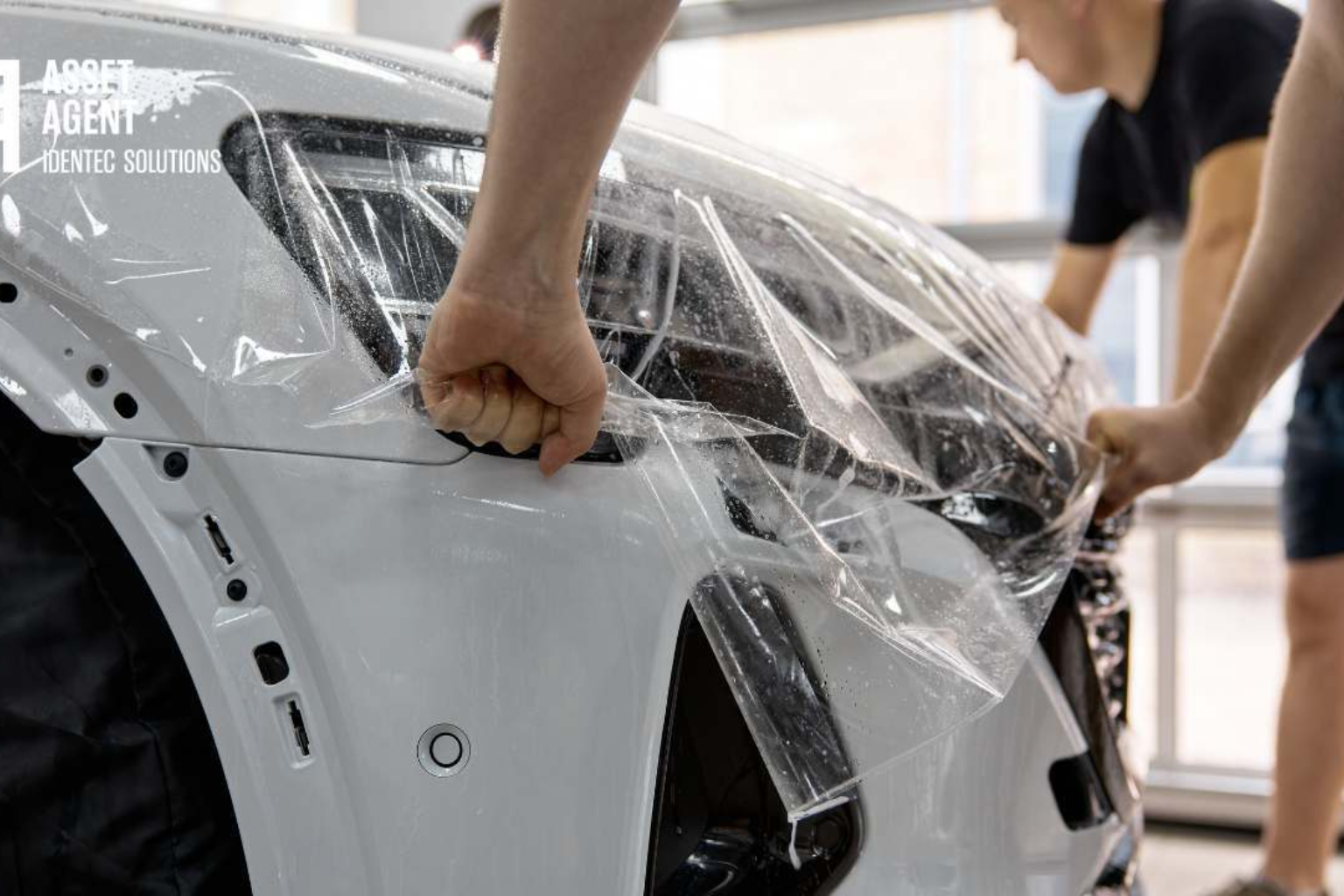
There’s a certain moment that happens when you first see your freshly wrapped vehicle under natural light. Maybe it’s parked just outside the shop. Maybe it’s sitting in your driveway. The finish looks smooth. The color feels deeper than you imagined. The lines are crisp.
It’s exciting.
But here’s something people don’t always think about: the work doesn’t end when the wrap is installed. In many ways, it’s just beginning.
A wrap can transform a vehicle’s appearance, protect the paint underneath, and even serve as rolling marketing. But without thoughtful aftercare and inspection, that flawless finish won’t stay flawless for long.
The First 48 Hours Matter More Than You Think
Right after installation, the adhesive is still settling. It needs time to bond fully to the vehicle’s surface.
During this period, gentle treatment is key. Avoid automatic car washes. Skip harsh cleaners. Try not to expose the vehicle to extreme conditions if you can help it.
This initial phase sets the tone for long-term durability. It’s a little like letting paint cure — patience now prevents problems later.
Professionals often provide specific guidance for post wrap care, and it’s worth following closely. A few small precautions early on can extend the life of the wrap by years.
Washing Without Worry
One of the most common questions people ask is simple: “Can I wash it like normal?”
Yes — but gently.
Hand washing is generally recommended. Use mild automotive soap and soft cloths or sponges. Avoid abrasive brushes that can scratch the vinyl surface. Pressure washers can be used cautiously, but keep the nozzle at a safe distance and avoid spraying directly at edges.
It sounds basic, but these habits make a difference. Wraps are durable, but they’re not invincible.
Consistency beats intensity. Regular gentle cleaning keeps colors vibrant and prevents buildup of grime that can dull the finish over time.
Watching the Details
Over time, it’s smart to keep an eye on edges and seams. High-contact areas like door handles, trunk lids, and bumpers may experience more wear.
If you notice slight lifting at an edge, don’t ignore it. Addressing small issues early prevents larger problems later. Many wrap shops offer follow-up inspections to ensure everything is settling properly.
That attention to detail is part of maintaining long-term quality.
The Subtle Art of Finishing
A well-installed wrap isn’t just about large panels. It’s about the details — the tight corners, the smooth curves, the seamless alignment.
After installation, technicians often revisit the vehicle for final finishing touches. This may include trimming excess material, re-sealing edges with heat, and checking alignment from multiple angles.
These steps aren’t dramatic, but they’re essential. They elevate the result from “good” to “exceptional.”
From a distance, you might not notice these refinements. But up close, they’re what create that professional, integrated appearance.
Sun, Weather, and Everyday Life
Vehicles live outdoors. They face sunlight, rain, wind, and road debris daily.
Quality wraps are designed to withstand environmental exposure, but smart habits help extend their lifespan. Parking in shaded areas when possible reduces UV stress. Removing bird droppings or tree sap promptly prevents staining.
It’s not about obsessing over the wrap — it’s about being mindful.
Think of it the way you’d treat a freshly detailed car. Care without paranoia.
Inspection and Confidence
Professional shops often conduct a thorough inspection before handing the vehicle back to the owner. This step is part of broader quality assurance practices.
Installers check for air pockets, uneven edges, and alignment inconsistencies. They apply post-heating to ensure adhesive activation and confirm that all seams are sealed properly.
This inspection isn’t rushed. It’s deliberate.
Because once the vehicle leaves the shop, it represents both the owner and the installer. Confidence in the final product matters on both sides.
Longevity Isn’t Accidental
A wrap’s lifespan depends on multiple factors — material quality, installation skill, environmental exposure, and maintenance habits.
With proper care, many high-quality wraps last five years or more. Some even longer.
Neglect, on the other hand, shortens that timeline significantly.
It’s not complicated. Just consistent.
When It’s Time for an Update
Eventually, every wrap reaches the end of its life cycle. Colors may fade slightly. Edges may show wear. Design trends may evolve.
The good news? Wraps are removable.
Professional removal ensures the original paint remains protected. And if the paint underneath was preserved properly, it often looks surprisingly fresh.
This flexibility is part of what makes wrapping so appealing. It’s not permanent — it’s adaptable.
Final Thoughts: Care Is Part of the Craft
A vehicle wrap is more than a cosmetic upgrade. It’s an investment in appearance, protection, and sometimes branding.
But like any investment, it deserves attention.
From the first gentle wash to routine inspections and mindful parking habits, small actions preserve big results.
And when you step back months — or even years — later and your vehicle still looks sharp, you’ll realize something.
The transformation wasn’t just in the installation.
It was in the care that followed.