
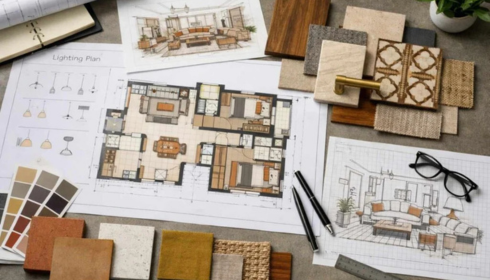
There’s something both exciting and slightly overwhelming about changing a home. Whether you’re knocking down a wall, building from scratch, or just trying to fix a space that never quite worked, it’s never just about structure. It’s about how your daily life fits into that structure.
And that’s where things get interesting.
Because layout decisions—where a wall goes, how a room opens, where light comes in—these aren’t just technical choices. They shape how you wake up, how you move through your day, how you wind down at night. You don’t always notice it right away, but over time, it makes a difference.
Fixing What Never Felt Right
If you’ve ever lived in a home that feels slightly inconvenient, you know what I mean. Maybe the kitchen feels cut off. Maybe the living room doesn’t quite connect. Maybe there’s a hallway that just… exists, without really serving a purpose.
These are the kinds of issues that often lead people toward remodel layout planning. Not because they want something flashy, but because they want something functional. Something that makes sense.
And here’s the thing—remodeling isn’t just about opening up spaces or making things bigger. It’s about making them better suited to how you actually live. Sometimes that means removing a wall. Other times, it means adding one. Or shifting doorways. Or rethinking how rooms relate to each other.
It’s not always dramatic. But when it’s done right, the difference is hard to ignore.
Starting From Scratch Comes With Its Own Challenges
Now, building a home from the ground up sounds like a dream. And in many ways, it is. You get to decide everything—from the size of rooms to how they connect.
But that freedom can also be a bit tricky.
Because without a clear understanding of how spaces work together, it’s easy to create something that looks great on paper but feels awkward in reality. That’s where new build layout design becomes more than just drawing plans—it becomes about imagining life inside those plans.
Where will people gather? Where will they need privacy? How does natural light move through the house during the day?
These questions don’t always have obvious answers. But asking them early can save a lot of frustration later.
It’s Not Just About Rooms, It’s About Flow
A good layout isn’t just about individual rooms—it’s about how those rooms connect.
You don’t want to feel like you’re constantly navigating obstacles or backtracking to get from one place to another. Movement should feel natural, almost automatic.
This is where thoughtful planning really shines. Not in big, obvious ways, but in subtle connections. A kitchen that flows into a dining area without feeling cramped. A living room that feels open but still defined. A bedroom that feels tucked away just enough to offer privacy.
These transitions matter more than we often realize.
When Professional Insight Makes a Difference
Sometimes, you get so used to a space that it’s hard to see it objectively. You adapt to its flaws without even noticing. You work around inconveniences instead of questioning them.
That’s where interior planning services can offer a fresh perspective. Not necessarily to take over, but to help you see possibilities you might have missed.
A professional might suggest shifting a wall slightly to improve flow. Or rethinking how a room is used altogether. Or finding ways to bring in more light without major structural changes.
These insights aren’t always obvious. But they often make the biggest difference.
Living in a Space Teaches You What Matters
No matter how well you plan, there’s always a learning curve. You move in, you settle down, and slowly, you start to notice things.
What works. What doesn’t. What feels natural. What feels forced.
Maybe the open-plan layout you wanted feels a bit too open at times. Maybe you realize you need more storage than you thought. Maybe a room you planned carefully ends up being used differently.
And that’s okay.
Because homes aren’t static. They evolve. And sometimes, the best adjustments come after you’ve lived in the space for a while.
Balancing Practicality With Personality
It’s easy to focus on functionality—making sure everything works efficiently. And that’s important.
But a home also needs to feel like yours.
That might mean keeping a slightly awkward corner because it has character. Or designing a space around a piece of furniture you love, even if it complicates things a bit. Or choosing comfort over strict design rules.
These choices add personality. They make the space feel lived-in rather than designed.
And honestly, that’s what most people are looking for, even if they don’t say it out loud.
Taking Your Time Is Part of the Process
There’s no need to rush layout decisions. In fact, rushing often leads to regret.
It’s better to think things through. To imagine how the space will be used at different times of day. To consider not just how it looks, but how it feels.
Sometimes, that means sitting with an idea for a while before acting on it. Or making small changes instead of big ones. Or simply observing how you use your current space before planning a new one.
These moments of pause often lead to better outcomes.
When Everything Starts to Feel Right
There’s a quiet kind of satisfaction that comes when a layout works well. Not in a dramatic, show-stopping way—but in a calm, everyday way.
You move through your home without thinking about it. You find things where you expect them to be. You sit, stand, walk, and everything feels natural.
And that’s when you know you’ve done something right.
Because at the end of the day, a well-planned home isn’t about impressing anyone. It’s about creating a space that supports your life—your routines, your habits, your moments of rest and activity.