
Walk into any modern home or office and flip a switch. Instantly, light fills the room. We hardly think about it anymore. Electricity has become one of those silent conveniences we rely on every single day. Yet behind every working socket, glowing bulb, and humming appliance lies a web of planning, expertise, and careful installation that most people rarely see.
The truth is, electrical systems are not just about wires and switches. They represent safety, functionality, and comfort. When done correctly, they blend seamlessly into our lives. When done poorly, they can cause anything from frustrating outages to serious hazards. That’s why professional electrical services remain one of the most important — and sometimes overlooked — aspects of any building project.
Why Professional Electrical Work Still Matters
You might be surprised how often homeowners attempt small electrical tasks themselves. A quick YouTube video, a screwdriver, and suddenly someone feels confident replacing fixtures or adding outlets. But electricity has a funny way of reminding people who’s really in charge.
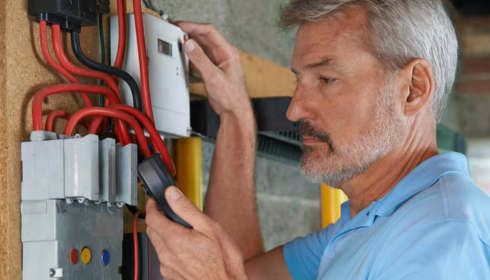
A professional electrician doesn’t simply connect wires. They understand load calculations, circuit protection, grounding requirements, and building codes that keep homes and workplaces safe. Every component must work together as part of a larger system.
When electricians perform electrical installation work, they take into account several critical factors:
- The power requirements of appliances
- Future expansion needs
- Circuit balance and distribution
- Local safety codes and standards
It’s a blend of science and practical experience. A seasoned electrician often knows, almost instinctively, when a system might struggle under pressure or when an upgrade is necessary.
And that instinct? It usually comes from years of troubleshooting the problems others didn’t see coming.
Lighting: More Than Just Illumination
Lighting might seem simple. You flip a switch, a bulb turns on. But good lighting design does far more than brighten a room.
It shapes the way we experience spaces.
Think about it for a moment. The warm glow in a restaurant that makes you want to linger over dinner. The bright task lighting in a kitchen that makes cooking easier. Or the subtle outdoor lights that make a home feel welcoming after sunset.
Professionals understand how proper lighting installation can transform both aesthetics and functionality. Different environments require different lighting strategies. A living room might benefit from layered lighting — combining overhead fixtures, floor lamps, and accent lights. Meanwhile, offices often require bright, evenly distributed illumination to reduce eye strain.
Energy efficiency also plays a huge role today. LED systems, smart lighting controls, and motion sensors have completely changed how we manage electricity usage. Done right, these upgrades don’t just look better — they reduce energy bills over time.
That’s the kind of quiet improvement most people appreciate without even realizing why.
The Hidden Complexity Behind Permits and Compliance
If there’s one part of electrical projects that homeowners rarely anticipate, it’s the paperwork. Permits, safety approvals, and local regulations can feel like an obstacle course.
Yet they exist for a good reason.
Electrical standards are designed to prevent fires, shocks, and system failures. Municipal authorities require professionals to follow strict guidelines before any system becomes operational.
In many regions, projects must pass inspections before they’re approved. These checks ensure that wiring, circuit breakers, grounding systems, and load capacities all meet established safety standards.
This process often involves inspections and license fees, which might seem like unnecessary costs at first glance. But they actually serve as a quality control system. When work passes official inspection, it means the installation meets the safety requirements designed to protect both property and lives.
It’s a bit like insurance — invisible when everything works perfectly, but incredibly valuable when something goes wrong.
Renovations and Upgrades: When Old Systems Meet Modern Needs
Many homes built decades ago were never designed for today’s electricity demands. Back then, households had far fewer appliances. No smart TVs, gaming consoles, or endless phone chargers scattered around every room.
Now? Electricity usage has skyrocketed.
Older electrical panels sometimes struggle to keep up with modern consumption. That’s why electrical upgrades are becoming more common during renovations. Adding new circuits, replacing outdated panels, or installing surge protection can make a significant difference in safety and reliability.
And honestly, there’s peace of mind that comes with knowing your home’s electrical system isn’t constantly working overtime.
Homeowners often notice subtle improvements after upgrades too. Lights stop flickering. Breakers stop tripping. Appliances run more smoothly.
Small changes, big impact.
Safety: The Reason It All Matters
At the heart of every electrical project is one simple goal — safety.
Electricity is powerful, efficient, and essential. But when systems are poorly installed or improperly maintained, the consequences can be severe. Electrical fires, equipment damage, and even personal injury can occur when safety standards are ignored.
That’s why experienced electricians approach their work with caution and precision. They test circuits, verify connections, and double-check installations before considering a job complete.
There’s a certain quiet pride in that process. A well-designed electrical system doesn’t call attention to itself. It simply works — day after day, year after year.
And most of the time, the homeowner never has to think about it again.
The Quiet Professionals Behind Everyday Comfort
Next time you walk into a room and instinctively reach for the light switch, take a second to appreciate what happens behind the scenes.
Those glowing lights, humming outlets, and dependable circuits aren’t accidents. They’re the result of planning, technical skill, and careful installation.
Electricians might not always receive the spotlight, but their work powers nearly every aspect of modern life. From homes and offices to hospitals and schools, safe electrical systems keep everything running smoothly.
And when done right — thoughtfully, carefully, and professionally — the entire system fades into the background, quietly doing its job.